By Peter Potterfield in Mountaineering, Outdoor News
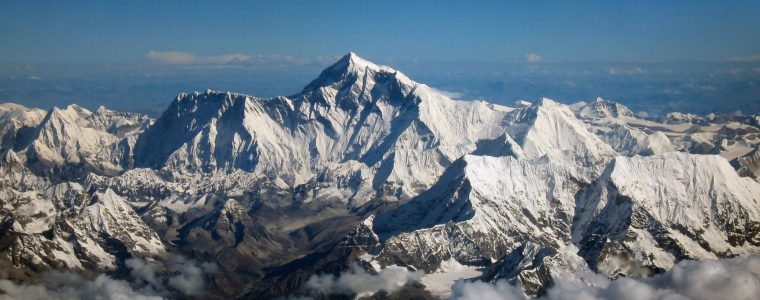
The call arrived via one of our satellite phones just as I got to work the morning of May 2, 1999. Routinely, we routed the Everest calls through a special number at MountainZone.com with equipment that recorded every one and alerted me and my editorial staff to incoming news. On the other end of the […]
By Bryce Stevens in Paddling, Traveling
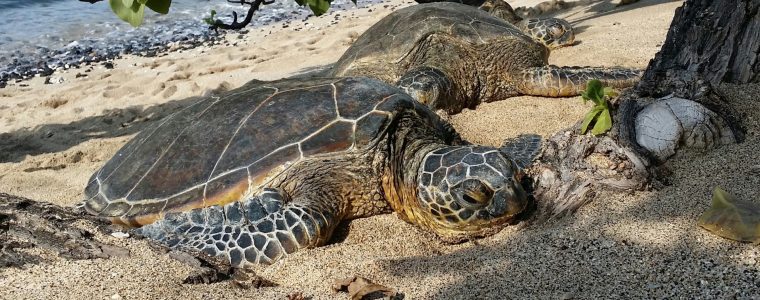
Kona is our favorite place in Hawaii. From town you can access any adventure on the island and its relaxed vibe is a break from the resorts and tourist meccas. Over the past two decades, my wife Julie and I have explored all of Hawaii’s islands but now we always come back to the Big […]
By Team MountainZone in Nature, Videos
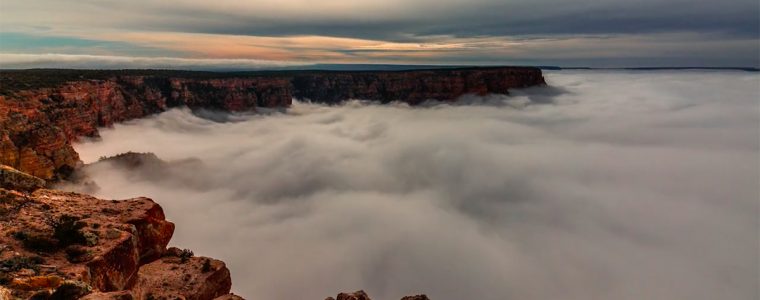
A rare full cloud inversion in the Grand Canyon was captured on this incredible time lapse video by Harun Mehmedinovic of Skyglow Project. Cloud inversions are formed when cold air is trapped in the canyon and topped by a layer of warm air, which in combination with moisture and condensation, creates this weather phenomenon. The result is […]
By Craig Romano in Outdoor News
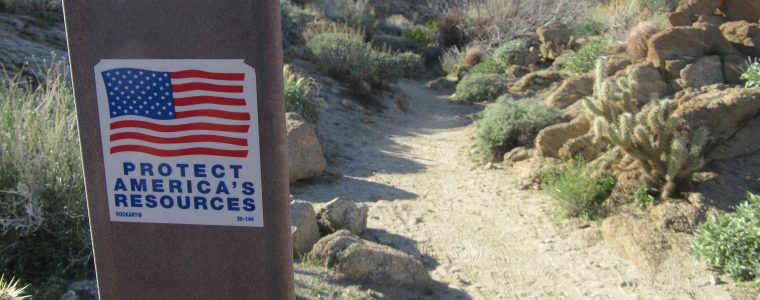
Nature bats last. Those of us who grew up in the 70s and 80s vividly recall this rallying cry. And over the past decades, many of us committed to sound conservation practices and expanding our outdoor recreation opportunities continuously went to bat for nature. We struck out a few times, put some points on the […]
By Matthew Bean in Backcountry Skiing
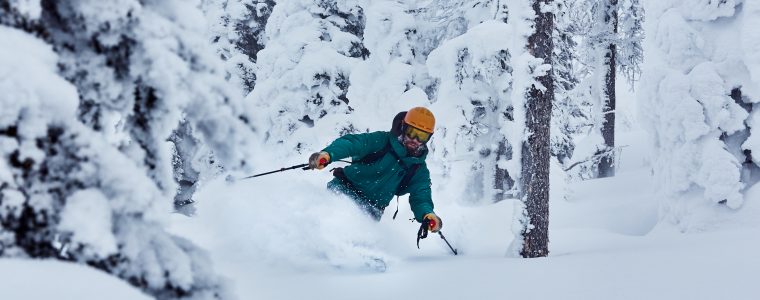
The helicopter ride was only about 10 minutes but it was pure euphoria. No one could believe the views. I looked around the heli and everyone was grinning ear to ear, including our pilot, Jeff. Clouds were barely hanging on the snowy Kootenay peaks and the sun’s golden-red cast a sweeping glow into the horizon, […]
By Matt Hundhammer in Backcountry Skiing, Mountain Biking, Skiing
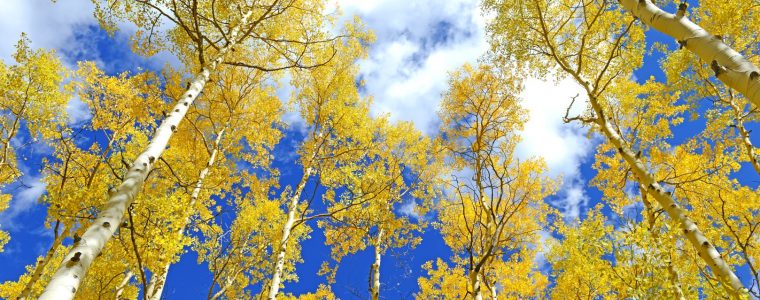
Sunrise above Park City I take a bite then watch as a red bead of chili oil squeezes through the folds of my tightly wrapped burrito; it’s that moment we all know and dread. The oil free-falls in slow motion, landing just to the right of my crotch zipper. Shit. But before I can reach […]
By Sarah Zerkel in Mountaineering
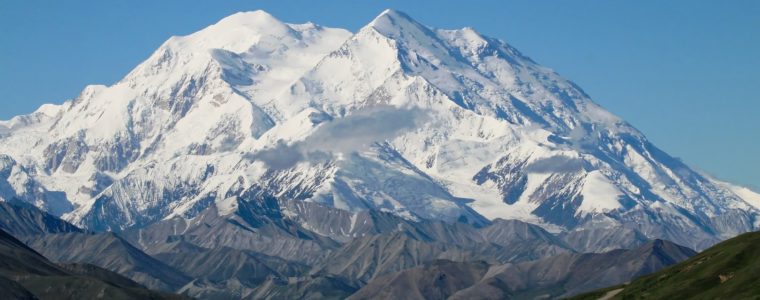
Training hike up Wolverine Peak overlooking Anchorage Denali – they don’t call it “the tall one” for nothin’. Standing at 20,310 feet, it’s swarmed with climbers every spring looking to grace the summit and make a safe descent back to the hippie-town of Talkeetna, Alaska. So, just what does it take to ready yourself for […]
By Matt Hundhammer in Skiing
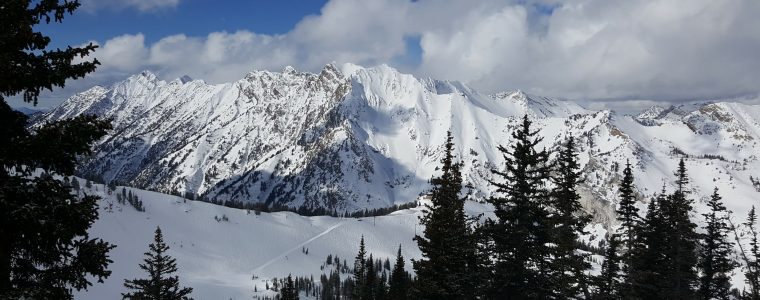
Boom! Crash! The sound of the morning’s avalanche control sends my head flying off the pillow nearly colliding with the bottom of the bunk above me. There’s brown glass all over the floor from the Sessions Lager bottle I left precariously sitting on the sill of my window overnight. Boom! Another bomb goes off. It has […]
By Soren Bowie in Backpacking, Canyoneering, Exploration, Featured Articles, Hiking
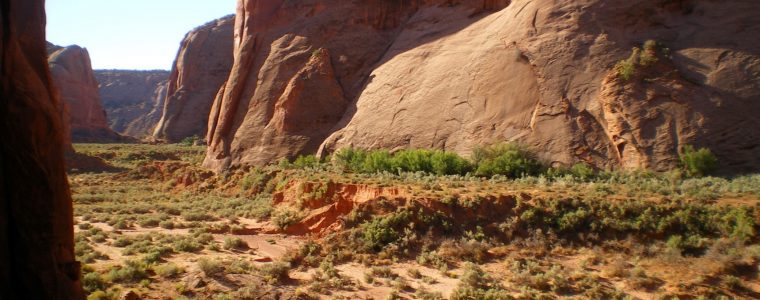
Lost cities don’t exist. They are confined to the bottoms of oceans and 19th-century jungles. As children, we all eventually give up on looking for buried treasure in backyards, or undiscovered, ancient ruins down the block because at this point humanity has been around long enough to stumble over most of them. Long before I […]
By Team MountainZone in Snowshoeing
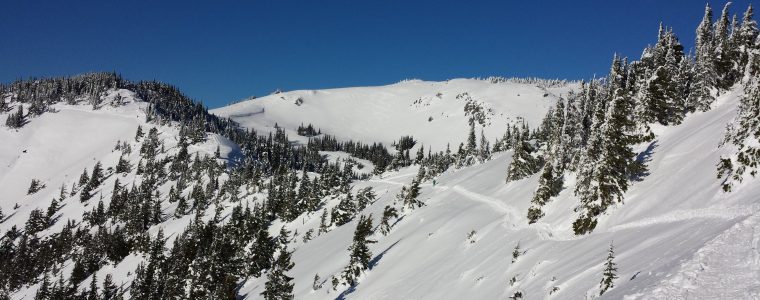
During the middle of winter there isn’t a better way to see the frosty scenery outside than by strapping on snowshoes and hitting the trails. Sure it’s approaching 30 degrees, but have you seen the enchanting landscapes this time of year? Washington especially has some dreamy scenery this season, with both mountains and Evergreen forest […]